The Telegram Wallet Push
The integration of a self-custodial wallet directly into Telegram represents the most significant structural driver of Toncoin (TON) adoption. By embedding cryptocurrency functionality into an application with nearly a billion monthly active users, Telegram has removed the primary friction point in digital asset onboarding: the need for separate, complex wallet software.
This integration allows users to send, receive, and store TON without leaving the messaging interface. The rollout began with a phased release, initially targeting specific markets before expanding. In early 2026, Telegram began rolling out the integrated wallet to 87 million U.S. users, a move that coincided with a 3% jump in TON’s price to $3.41. This immediate liquidity injection demonstrates how platform-level utility can directly influence market valuation.
The strategic advantage lies in the reduction of user acquisition costs. Traditional crypto exchanges spend billions on marketing to attract new wallets. Telegram, however, leverages its existing social graph. Users can instantly pay friends, tip content creators, or purchase services using TON, creating a high-frequency utility loop that static holding cannot replicate. This structural integration positions TON not just as a speculative asset, but as a foundational settlement layer for social commerce.
Lowering the Barrier to Entry
The primary mechanism driving Toncoin adoption is the elimination of friction between user intent and transaction execution. Telegram Mini Apps function as an onboarding layer that abstracts the complexities of blockchain interaction. For non-crypto natives, the traditional requirements of managing private keys, navigating decentralized exchanges, and understanding gas fees present insurmountable barriers. Mini apps integrate these functions directly into the chat interface, allowing users to interact with smart contracts as if they were native messaging features.
This architectural choice aligns with the technical capabilities of The Open Network (TON). As a Layer 1 blockchain designed for mainstream scalability, TON can process millions of transactions per second, ensuring that Mini Apps remain responsive even during peak usage periods. This speed is critical for maintaining user trust; latency in financial transactions often correlates with perceived unreliability. By leveraging TON’s infrastructure, developers can build applications that feel instant and seamless, effectively hiding the underlying blockchain technology from the end-user.
The result is a significant reduction in the cognitive load required to participate in the digital economy. Users do not need to leave their primary communication platform to send payments, purchase digital assets, or engage with decentralized services. This seamless integration transforms Telegram from a communication tool into a comprehensive financial ecosystem. As adoption metrics from official sources like TON.org indicate, this approach is accelerating the transition from niche crypto enthusiasts to mass-market users who prioritize convenience and accessibility.
Ecosystem Growth and Partnerships
The expansion of the TON ecosystem extends well beyond Telegram’s 900 million monthly active users. By securing listings on major centralized exchanges and integrating with global fintech platforms, Toncoin has reduced the friction typically associated with onboarding retail capital. This structural shift transforms TON from a niche messaging-integrated asset into a broadly accessible layer for global payments.
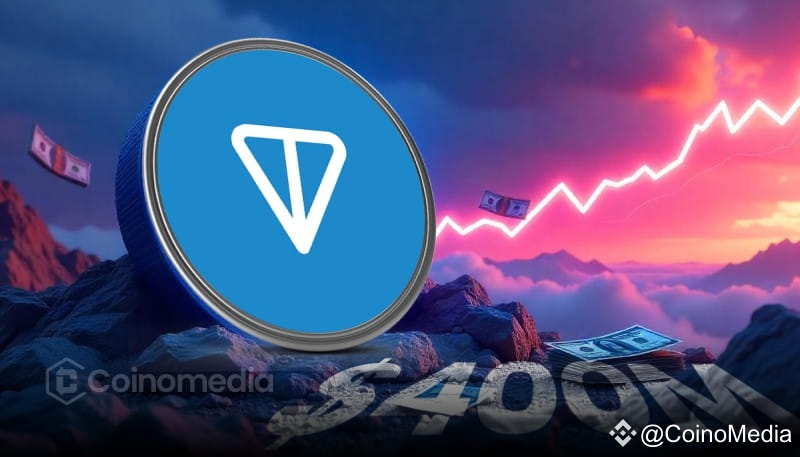
A pivotal moment occurred in early 2025 when TON was listed on Coinbase. This move provided immediate access to the largest retail trading base in the Western market, significantly increasing liquidity and visibility. The integration is supported by strong institutional backing; the TON Foundation recently raised over $400 million through Toncoin sales, with participation from major venture capital firms including Sequoia Capital and Ribbit Capital. This capital injection underscores the confidence institutional players have in TON’s long-term infrastructure.
Beyond exchanges, partnerships with regulated fintech giants have accelerated everyday utility. Revolut, one of Europe’s largest digital banking platforms, added TON to its list of approved cryptocurrencies for trading and payments. This integration allows millions of users to buy, sell, and hold Toncoin directly within a familiar banking interface, bypassing the technical barriers of self-custody wallets.
The following comparison highlights the reduced friction of TON’s current integration landscape against traditional onboarding methods.
| Platform | Access Type | Friction Level | Target Audience |
|---|---|---|---|
| Telegram Mini Apps | Embedded Wallet | Low | 900M+ Active Users |
| Coinbase | Centralized Exchange | Medium | Western Retail Investors |
| Revolut | Fintech Banking App | Low | Global Digital Bankers |
| Traditional Wallets | Self-Custody | High | Crypto-Native Users |
This multi-pronged approach creates a robust adoption flywheel. As traditional finance platforms integrate TON, the asset gains legitimacy and ease of use, which in turn drives more users into the Telegram ecosystem. The result is a compound effect where financial utility reinforces social engagement.
TON Market Performance and Outlook
Toncoin (TON) has solidified its position as a major layer-1 blockchain in 2026, driven by its deep integration with the Telegram ecosystem. The network’s utility is anchored by the widespread adoption of Telegram Mini Apps, which serve as the primary onboarding funnel for millions of new users. This structural advantage provides TON with a unique distribution channel that most competitors lack, creating a sticky user base that interacts with decentralized applications daily.
In June 2026, the community voted to rebrand Toncoin as Gram (GRAM), a move that reflects the project’s desire to align its identity more closely with its origins and its utility as a medium of exchange. While the ticker symbol TON remains in common usage among traders and developers, the official name change signals a shift toward viewing the asset as a functional currency within the Telegram super-app. This rebranding coincides with a period of sustained price momentum, as institutional interest in blockchain-based social platforms grows.
The technical outlook for Gram remains bullish, supported by consistent trading volume and expanding on-chain activity. The integration of Mini Apps has transformed Telegram from a messaging platform into a functional economic zone, where users can transact, play, and manage assets without leaving the interface. This seamless experience reduces friction and accelerates adoption, making Gram an attractive option for both retail users and enterprise partners looking to tap into Web3 markets.
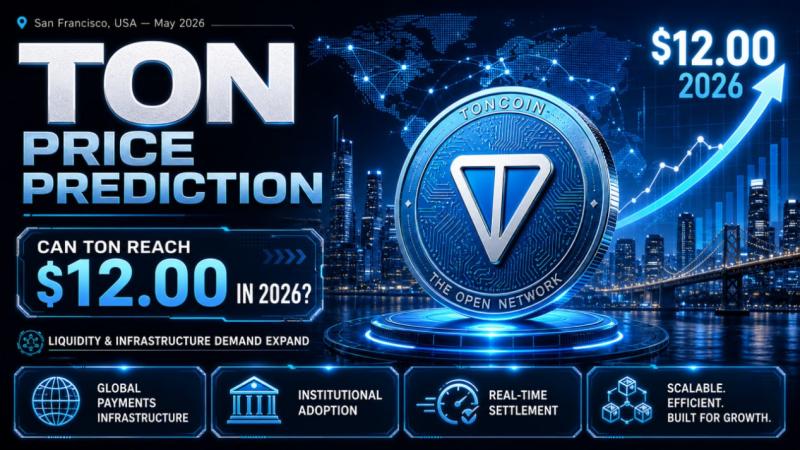
Looking ahead, the market’s confidence in Gram is reflected in its price stability and growing transaction throughput. As Telegram continues to roll out new financial features and expand its Mini App ecosystem, the demand for Gram is expected to rise. The combination of a massive user base and a robust technical infrastructure positions Gram as a key player in the next cycle of cryptocurrency adoption.
Key Takeaways for Investors
Evaluating Toncoin requires separating observable utility from market speculation. The integration of self-custodial wallets into Telegram’s 87 million U.S. user base provides a tangible adoption metric that few competitors can match. This direct access to mainstream users transforms TON from a speculative asset into a functional payment layer, reducing the friction typically associated with onboarding new crypto users.
Investors should prioritize projects built on the TON blockchain that demonstrate active daily usage rather than mere listing announcements. The recent rebranding to Gram and the launch on major exchanges like Coinbase signal institutional recognition, but sustainable growth depends on the ecosystem’s ability to process millions of transactions per second without congestion. Focus on developers who leverage Telegram’s mini-apps for real-world services, such as gaming or payments, as these create sticky user retention.
Monitor CoinShares and TON.org reports for data on transaction volume and active addresses. These official sources provide the clearest view of network health. Avoid narratives driven by price predictions alone; instead, track how partnerships with major platforms like Telegram accelerate real-world adoption. The convergence of social media scale and blockchain infrastructure offers a unique value proposition that warrants serious attention in any diversified crypto portfolio.
No comments yet. Be the first to share your thoughts!