
The 2026 TON market context
Toncoin is navigating a complex recovery phase in 2026, driven by a surge in utility from Telegram Mini-Apps rather than pure speculative hype. The token initially stabilized in the $1.20 to $1.35 range earlier this year, providing a floor that analysts view as critical for long-term viability [src-serp-8]. This stability allowed the ecosystem to mature, shifting focus from price volatility to actual user engagement and transaction volume.
Current market sentiment reflects cautious optimism. While early 2026 saw consolidation, recent breakout signals suggest that the integration of TON into Telegram’s 900-million-user base is beginning to translate into measurable on-chain activity. The rally is not just about price appreciation; it is about proving that a social-fi blockchain can sustain real-world utility at scale.
The broader market context favors assets with clear adoption metrics. Unlike many altcoins that rely on narrative alone, Toncoin’s value proposition is increasingly tied to its role as the financial layer for the Telegram ecosystem. This structural advantage differentiates it from competitors and provides a buffer against broader crypto market downturns.
Telegram mini-apps as the adoption engine
Toncoin’s growth in 2026 is not driven by speculative trading alone, but by its seamless integration into Telegram’s 900 million monthly active users. The platform’s mini-app infrastructure acts as the primary adoption engine, turning a messaging app into a functional economic layer. By embedding crypto wallets directly into chats, Telegram has removed the traditional friction of onboarding new users to blockchain technology.
Users can buy, sell, and swap Toncoin without leaving the Telegram interface. This native functionality means transactions happen in the same flow as sending a message or a sticker, drastically lowering the barrier to entry for non-technical users.
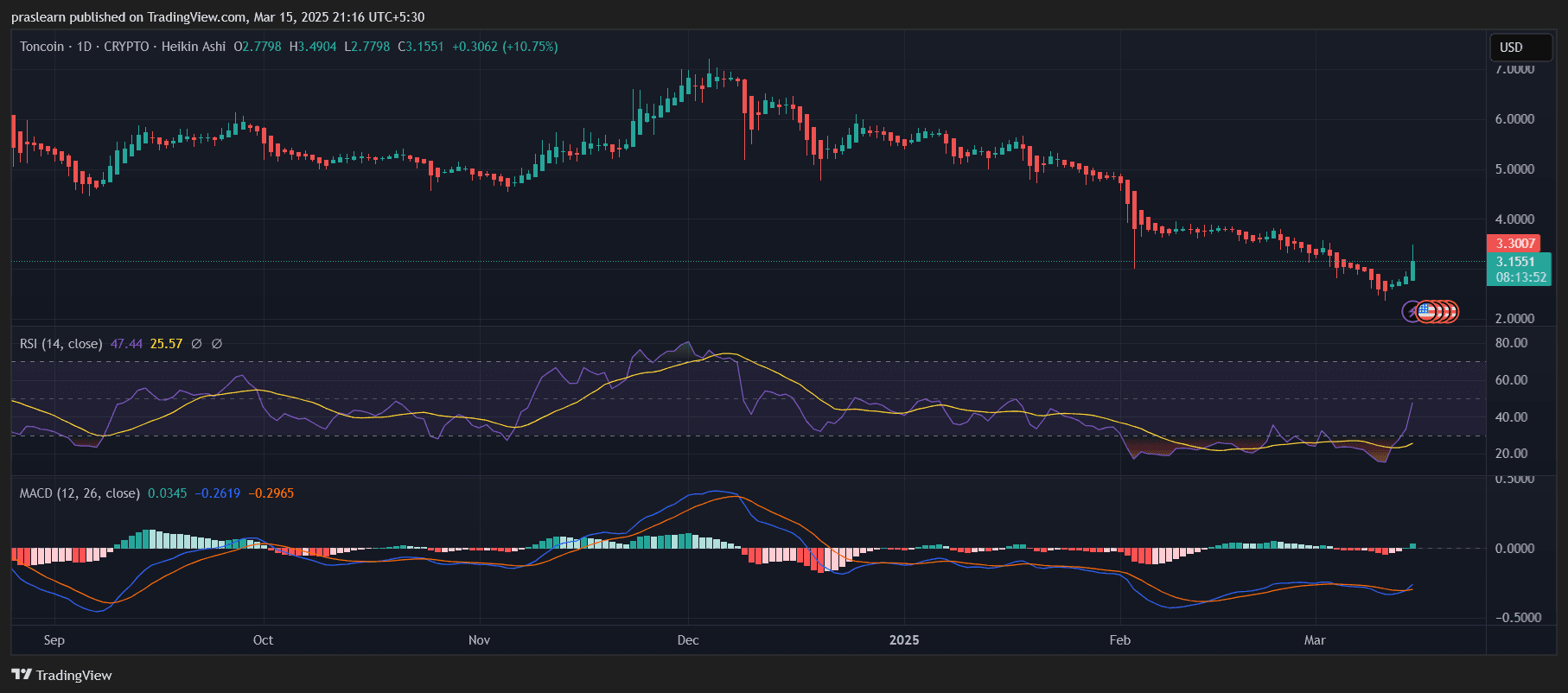
Developers build mini-apps that run inside Telegram, allowing for games, utilities, and services that accept TON payments. This creates a circular economy where Toncoin is used for real goods and digital services, not just held as an asset.
Telegram’s existing identity verification and contact lists allow for instant, secure wallet creation. New users do not need to manage seed phrases or navigate complex exchanges; their Telegram account becomes their gateway to the TON blockchain.
This integration transforms Toncoin from a passive store of value into an active medium of exchange. The utility is tangible: users pay for subscriptions, play games, and transfer value instantly within their social circles. As noted in recent market analyses, this deep integration within Telegram apps is a primary factor influencing Toncoin’s price trajectory and long-term viability [1].
The scale of Telegram’s user base provides Toncoin with a distribution network that few other blockchains can match. Instead of building a user base from zero, Toncoin inherits a ready-made audience of hundreds of millions. This network effect accelerates adoption, as users are more likely to use a cryptocurrency that their friends and contacts are already using.
The result is a robust utility layer that supports real-world transactions. Whether it’s tipping a content creator or purchasing a digital service, Toncoin is becoming the default currency for Telegram’s ecosystem. This shift from speculation to utility is what distinguishes Toncoin’s 2026 outlook from previous crypto cycles.
[1] Bitget. "Toncoin (TON) 2026 Price Outlook: Key Drivers and UK Guide." https://www.bitget.com/academy/main-factors-influencing-toncoin-price-2026-uk-guide
The Gram rebrand and institutional signals
Toncoin is undergoing a structural shift that extends beyond simple marketing. In a governance vote that saw 81.22% approval, the community ratified the rebrand of TON to Gram, with the new ticker GRAM set to take effect on June 15, 2026 [src-serp-2]. This is not merely a cosmetic change; it is a deliberate move to align the asset with a clearer regulatory identity.
The decision to adopt the name "Gram" addresses long-standing legal ambiguities surrounding the project's origins. By distancing the asset from the initial Telegram association that faced scrutiny, the rebrand aims to provide the regulatory clarity that institutional investors require. This move signals that the ecosystem is prioritizing compliance and long-term stability over short-term hype, a critical factor for institutional adoption in 2026.
For investors, the rebrand serves as a proxy for the network's maturity. It demonstrates that the governance mechanisms are functioning as intended, with a supermajority supporting changes that reduce legal risk. This level of organized, community-driven governance is rare in the crypto space and is a key indicator of a project's readiness for serious institutional capital.
The market is already pricing in this shift. While short-term volatility may persist, the underlying narrative is shifting from speculative mini-app usage to a more robust, regulated financial infrastructure. This transition is essential for Toncoin to move from a niche ecosystem to a mainstream institutional asset.
2026 price targets and valuation drivers
Analyst projections for Toncoin (TON) in 2026 vary significantly based on adoption metrics and market conditions. Most models cluster between $3.61 and $8.09, with the upper bound relying on sustained growth in Telegram Mini-App engagement.
Changelly forecasts a wide fluctuation range for June 2026, estimating TON could trade between $3.61 and $8.09. This variance reflects the uncertainty inherent in crypto markets, where sudden shifts in user adoption can quickly alter valuation trajectories. CoinCodex offers a more specific end-of-year estimate, projecting TON could reach $3.82 by the close of 2026, representing a significant upside from current levels.
More conservative models suggest a modest rise to $1–$3 in the near term, while optimistic scenarios place TON between $4.50 and $6.50 assuming moderate market conditions. These divergent views highlight the binary nature of Toncoin's valuation: it is either a niche utility token or a mainstream payment layer for billions of Telegram users.
| Source | Low Estimate | High Estimate | Context |
|---|---|---|---|
| Changelly | $3.61 | $8.09 | June 2026 fluctuation range |
| CoinCodex | $3.50 | $3.82 | End-of-year 2026 estimate |
| Binance Square | $4.50 | $6.50 | Moderate market conditions |
| Long Forecast | $1.00 | $5.00 | Near-term to 2026 range |
Key Risks in the 2026 Landscape
Toncoin’s rapid ascent in 2026 is driven by Telegram’s massive user base, but this integration creates unique vulnerabilities. The primary risk is regulatory scrutiny. Because TON is deeply embedded in a messaging app used by billions, it falls under intense observation by financial authorities worldwide. A crackdown on Telegram’s financial features could instantly stifle Toncoin’s utility, detaching the token from its most significant growth engine.
Technical risks stem from the network’s complexity. As mini-apps proliferate, the blockchain must handle unprecedented transaction volumes without congestion or high fees. Any significant downtime or vulnerability in the smart contract layer could erode trust among developers and users alike. The current price action reflects this volatility, with the asset trading around $1.29 as of April 19, 2026.
The interplay between Telegram’s policy changes and TON’s technical scalability will define its longevity. Investors must watch for regulatory announcements in key markets like the EU and US, as these often precede major price corrections. The network’s ability to maintain speed and low costs during peak usage remains the critical technical hurdle for sustained adoption.
Frequently asked questions about Toncoin
What is the realistic price range for Toncoin in 2026?
Most analyst models cluster between $3.61 and $8.09 for 2026. Changelly estimates a fluctuation range of $3.61–$8.09 by June 2026, while CoinCodex projects a more conservative end-of-year target of $3.82. These figures depend heavily on sustained growth in Telegram Mini-App engagement and broader market conditions.
Will Toncoin reach $10 in 2026?
Reaching $10 in 2026 is considered an optimistic outlier rather than a baseline expectation. Most conservative estimates place the upper bound of 2026 performance closer to $8.09. While long-term models suggest potential for higher valuations in subsequent years, 2026 targets are constrained by current adoption metrics and regulatory clarity.
How does the TON-to-Gram rebrand affect investment risk?
The rebrand, approved by 81.22% of voters, aims to reduce legal ambiguity by distancing the asset from its initial Telegram association. This move signals a priority on regulatory compliance, which may reduce legal risk for institutional investors. However, it also introduces transition risks as the market adjusts to the new ticker and identity.
No comments yet. Be the first to share your thoughts!